Gas separation designed around performance and economics.
Elastia develops membrane, adsorbent and hybrid systems for CO₂ capture, biomethane upgrading and complex process-gas separations.
A technology and engineering partner for difficult gas separations.
We combine advanced separation materials, application testing and system design. You can work with us from material evaluation through modules, pilots and engineered separation systems.
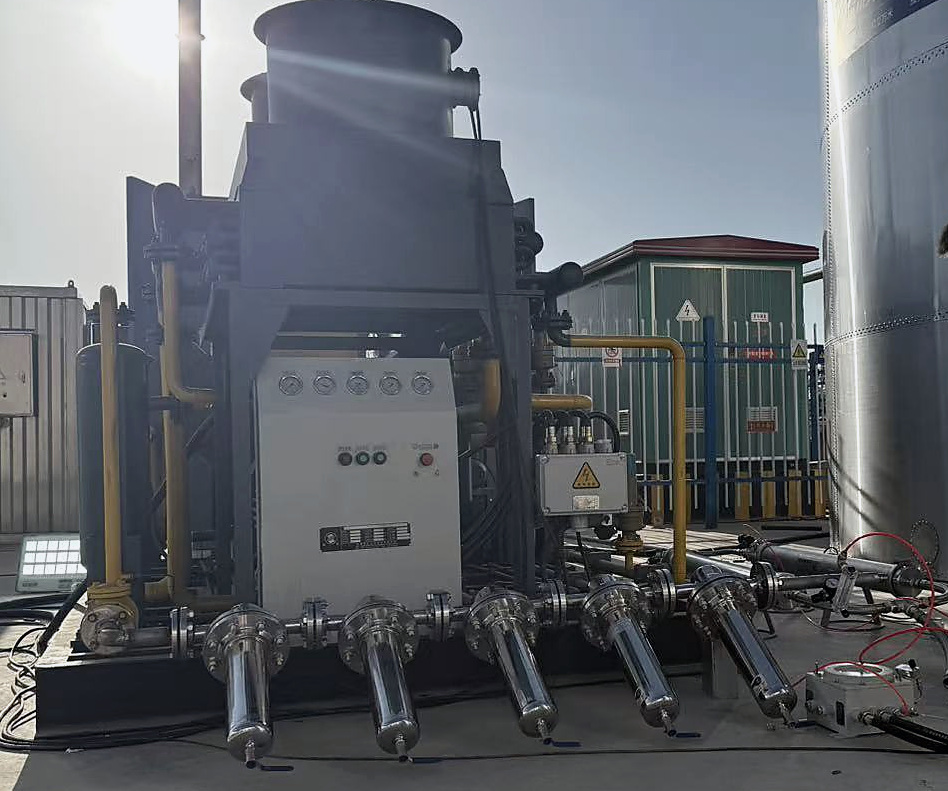
Four separation challenges we work on.
Industrial carbon capture
Separate CO₂ from flue and process gases where emissions arise from industrial chemistry or combustion.
Biomethane upgrading
Remove CO₂ from biogas to raise methane concentration for grid injection, liquefaction or downstream use.
Product recovery and purification
Recover valuable gases and condition feed streams for hydrogen, fuels and chemical processes.
Custom gas separation
Evaluate non-standard gas pairs where separation affects energy use, product recovery or emissions performance.
The process starts with your gas stream.
We assess composition, flow, pressure, temperature, humidity, contaminants and target purity, then select and validate the most appropriate separation route.
Advanced membranes
Continuously separate selected gases in compact, modular formats.
Low-temperature adsorbents
Selectively capture gases with milder regeneration conditions, where the duty suits them.
Hybrid systems
Combine bulk separation and polishing when one technology alone cannot deliver the result efficiently.
Designed to reduce energy demand and lifetime cost.
Membranes: no thermal duty
Separation is driven by a pressure gradient across the membrane, so where the stream is already pressurised there is no regeneration heat to supply at all.
Adsorbents: low-grade heat
Designed to regenerate at lower temperatures, which under suitable conditions allows waste heat the plant already rejects to be used instead of steam raised for the purpose.
Hybrids: less duty to do
Where the two are combined, the membrane stage reduces the volume the adsorbent has to handle, which can lower the overall separation duty and the equipment around it.
Modules that can be upgraded
Where geometry and operating conditions remain compatible, the separation element can be replaced as materials improve, without replacing the system around it.
Available for evaluation Biomethane membrane fibres and modules.
Development collaborations Post-combustion capture, adsorbents, hybrid systems and custom gas separations.
A physical emissions reduction may be reflected across several reporting boundaries.
Which reduction you can claim depends on your reporting boundary and the verification that applies. We establish this at assessment.
From first assessment to a qualified solution.
Every engagement follows the same route, whether it begins with a laboratory study or a plant already scoped. You choose how far along it you join.
Material development
Membrane fabrication
Mixed-gas testing
Module and pilot validation
Is there a credible separation route for your gas stream?
Share the composition, flow, pressure, temperature, contaminants and target purity where known. We will assess whether a material test, module evaluation or pilot study is the right next step.
UCL East Marshgate
7 Sidings Street, Stratford
London E20 2AE, United Kingdom
Share the application and whatever operating information is available. We will recommend the most appropriate study, evaluation or pilot route. An NDA can be put in place before any detailed operating data is shared.